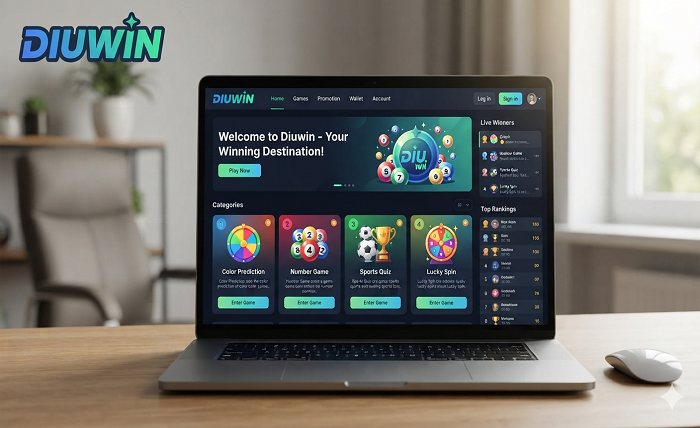
Diuwin is a name that has attracted attention among users looking for modern digital entertainment platforms and online experiences. As more services move from traditional environments to digital platforms, users increasingly expect convenient interfaces, accessible features, quick navigation, and reliable account management. Understanding what a platform offers before using it is therefore an important part of making an informed decision.
A modern online platform needs to do more than simply provide access to its primary services. Users generally look for straightforward registration, an understandable interface, responsive pages, account controls, and useful support resources. These elements can influence whether a visitor finds the overall experience convenient and trustworthy.
The growth of mobile internet has also changed how people interact with digital services. Smartphones are now commonly used for browsing, communication, entertainment, payments, and account management. Consequently, platforms that provide mobile-friendly experiences can be more convenient for people who do not want to depend on a desktop computer.
This article provides a general overview of the important considerations surrounding the platform, including its possible features, usability, accessibility, security practices, and responsible-use principles. Because online services can change over time, users should always verify current information through the platform’s official channels before registering or making any financial commitment.
The Platform
At its core, Diuwin can be understood as an online platform designed around digital entertainment and user interaction. The exact services, availability, policies, and features offered by a platform can change, so users should avoid relying solely on old promotional material or information shared on third-party websites.
One of the first things a new visitor should examine is the overall interface. A well-organized platform should make essential sections easy to locate. Navigation menus, account options, help information, and important terms should be presented in a way that does not require unnecessary searching.
Another important consideration is accessibility. A platform that works effectively on smartphones, tablets, and desktop computers can provide greater flexibility. Mobile responsiveness is especially important because many users access online services through smartphones rather than traditional computers.
The registration process is also worth examining. Users should understand what information is requested, why it is required, and how that information will be handled. Before creating an account, it is sensible to review available terms, privacy information, and age or eligibility requirements.
Users should also distinguish between official information and third-party claims. Search results, social-media posts, advertisements, and independent websites may contain outdated or inaccurate descriptions. Checking information against official sources is therefore a useful habit whenever a user is considering a new digital service.
Key Features and User Experience
A successful digital platform generally depends on a combination of functionality and usability. Users expect pages to load efficiently, menus to be understandable, and important actions to be clearly identified. These characteristics can make the difference between a frustrating experience and a convenient one.
Account management is another important feature. Users should be able to access relevant account information, review their activity where applicable, update basic settings, and find assistance when problems occur. Clear account controls also help users maintain better awareness of their online activity.
Mobile compatibility has become particularly important. A responsive website should adjust its layout according to the screen being used. Buttons should be large enough to select comfortably, text should remain readable, and users should not have to repeatedly zoom or scroll horizontally.
Performance is equally significant. Slow loading times can discourage visitors from continuing to use a service. Good digital design therefore focuses on efficient page structures, optimized graphics, stable servers, and straightforward navigation.
Customer support can also influence user satisfaction. A useful support system should explain how users can report problems or obtain assistance. Clear contact information and helpful guidance can reduce confusion when users encounter account, technical, or transaction-related issues.
Finally, transparency contributes significantly to user experience. Users should be able to understand the important rules governing a service before they decide to participate. Hidden conditions or unclear policies can create unnecessary risks and misunderstandings.
Benefits of Using a Digital Platform
The primary benefit of an online service is convenience. Digital platforms allow users to access services without necessarily visiting a physical location. Depending on the platform and local availability, this can provide flexibility for people with different schedules and preferences.
Another benefit is accessibility. Internet-based services can potentially be accessed from multiple devices and locations, provided that the service is legally available in the user’s region. This flexibility has become an important expectation of modern consumers.
Digital platforms can also provide centralized account management. Instead of dealing with physical records, users may be able to manage relevant information through a personal account. This can simplify routine interactions and make certain activities easier to track.
Another potential advantage is speed. Online interfaces can allow users to complete certain actions within minutes rather than depending on traditional processes. However, speed should never come at the expense of understanding the rules or checking important details.
Personalization is another common feature of modern digital services. Platforms may use account preferences, saved settings, or interface customization to make navigation more convenient. Users should nevertheless understand what data is collected and how it may be used.
The broader digital ecosystem also allows platforms to update features more frequently than traditional services. Software improvements, interface changes, security patches, and new functionality can be introduced without requiring users to install entirely new physical products.
Security and Privacy Considerations
Security should be a priority whenever someone uses an online account. Users should create strong, unique passwords and avoid sharing login credentials with other people. Reusing the same password across multiple websites can increase the consequences of a security breach.
Two-factor authentication should be used whenever it is available. This adds an additional verification step and can provide protection even if a password becomes compromised.
Users should also be careful with links received through messages, advertisements, or unfamiliar websites. Fraudulent websites can sometimes imitate the appearance of legitimate platforms. Checking the domain name and using trusted access methods can help reduce the risk of visiting a deceptive website.
Privacy is equally important. Before registering, users should review the privacy policy and understand what personal information may be collected. Particular attention should be given to information relating to identity, payment methods, device activity, and communications.
Financial information requires additional caution. Users should only use payment methods and transaction channels that are officially supported and clearly documented. Unofficial intermediaries should be treated carefully because they can introduce additional security and fraud risks.
It is also advisable to maintain updated device software and security tools. Operating-system updates frequently contain security improvements, while browsers and antivirus products can help identify suspicious activity.
Users should remember that no online platform can eliminate every possible risk. Good personal security practices remain important regardless of the service being used.
Mobile Accessibility and Modern Technology
Smartphones have become one of the primary ways people interact with digital services. For this reason, mobile accessibility is an essential consideration when evaluating any modern platform.
A good mobile experience should provide readable text, intuitive menus, appropriately sized buttons, and efficient navigation. Users should not have to fight against the interface to perform basic actions.
Modern web technologies can also allow browser-based services to work across different operating systems. This means users may be able to access a service through a mobile browser without installing a dedicated application, depending on how the platform is designed.
Performance optimization is particularly important on mobile networks. Large images, unnecessary scripts, and inefficient page structures can increase loading times and consume additional data.
Compatibility should also be considered. Users may have different screen sizes, operating systems, browsers, and hardware capabilities. Responsive design helps provide a more consistent experience across these variations.
Technology also enables more sophisticated personalization and analytics. However, greater technological capability should be accompanied by responsible data practices and clear privacy explanations.
As mobile technology continues to develop, users can expect digital platforms to become increasingly focused on convenience, speed, personalization, and cross-device accessibility.
Responsible and Informed Use
Responsible use is an essential consideration for any online entertainment or financial platform. Users should understand the nature of the service before creating an account or spending money.
People should establish personal limits and avoid making decisions based on pressure, excitement, or the expectation of guaranteed results. No legitimate digital service should be treated as a guaranteed source of income.
Users should also understand applicable laws and regulations in their own location. Rules governing online entertainment, financial transactions, age requirements, and related activities can differ significantly between countries and regions.
Another important principle is financial awareness. Users should never spend money that is needed for essential expenses. Setting a predetermined budget can help prevent impulsive decisions.
Keeping records can also be useful. Users may wish to monitor deposits, withdrawals, purchases, or other relevant transactions so that they maintain a clear understanding of their activity.
Parents and guardians should also pay attention to age restrictions and device access where appropriate. Services intended for adults should not be made accessible to children or individuals who do not meet applicable eligibility requirements.
Finally, users should take breaks from digital services when necessary. Healthy technology use involves maintaining balance between online activities and other aspects of everyday life.
Tips for Choosing a Reliable Online Platform
When evaluating Diuwin or any comparable online platform, users should begin by checking whether the service clearly explains who operates it and what services it provides. Transparent information can make it easier to distinguish a legitimate service from an unreliable imitation.
The next step is to review the platform’s policies. Terms and conditions, privacy policies, eligibility requirements, payment information, and responsible-use guidelines should be accessible before users commit to an account.
Users should also check whether the service is legally available in their jurisdiction. A platform being accessible through the internet does not automatically mean that its services are permitted everywhere.
Another useful practice is comparing information from multiple reliable sources. However, third-party reviews should be treated as supplementary information rather than definitive proof. Independent opinions can be useful, but they may contain outdated or subjective claims.
Security indicators should also be checked. Users should look for secure connections, appropriate account protections, and clear procedures for handling suspicious activity.
Customer support is another important factor. A platform that provides understandable assistance channels can make it easier to resolve technical or account-related problems.
Finally, users should avoid platforms that make unrealistic promises. Claims of guaranteed profits, effortless earnings, or risk-free outcomes should always be treated with skepticism.
Conclusion
Diuwin represents the broader trend toward convenient digital platforms that combine accessibility, mobile technology, account management, and online entertainment. However, convenience should always be balanced with security, privacy awareness, legal considerations, and responsible use.
Before using any online service, users should investigate its current features, policies, eligibility requirements, and official information. They should also protect their accounts, avoid sharing sensitive credentials, and carefully evaluate any financial commitment.
The best digital experience is not simply about having many features. It is about providing clear information, reliable functionality, responsible practices, and an environment where users can make informed decisions. By approaching online platforms thoughtfully and cautiously, users can better understand their options while reducing unnecessary risks.
FAQs
1. What is Diuwin?
Diuwin is an online digital platform, and users should consult its current official information to determine its available services, eligibility requirements, and applicable terms.
2. Is Diuwin available on mobile devices?
The mobile accessibility of Diuwin can depend on the current platform design, device, browser, and regional availability, so users should verify the latest information through official channels.
3. How can users protect their accounts?
Users should use strong unique passwords, enable two-factor authentication when available, avoid suspicious links, and never share passwords or verification codes with other people.
4. Should users check local regulations?
Yes. Before using Diuwin or any similar service, users should determine whether the relevant activities are legally permitted in their country or region and comply with applicable age requirements.
5. What should users consider before registering?
Before registering with Diuwin, users should review the terms of service, privacy policy, eligibility requirements, security practices, payment information, and responsible-use guidelines.